Hiker

TCSAR Recovers Body of Missing Thru-Hiker in the Tetons

For immediate release

Media contact: Teton County Sheriff Matt Carr, (307) 733-4052, mcarr@tetonsheriff.org

Jackson, Wyo. — At approximately 8:20 a.m. on Wednesday, July 29, Teton County Search & Rescue located a hiker who’d been reported missing for nearly a week on the remote trail system between Yellowstone and Grand Teton national parks. 

TCSAR is saddened to report that the hiker, a 28-year-old male from Australia, was found deceased near an area known as the Wigwams on the west slope of the Tetons in Teton County, Wyo. Evidence suggests that he may have fallen from a steep, high-altitude ridgeline that separates Grand Teton National Park and the Jedediah Smith Wilderness. 

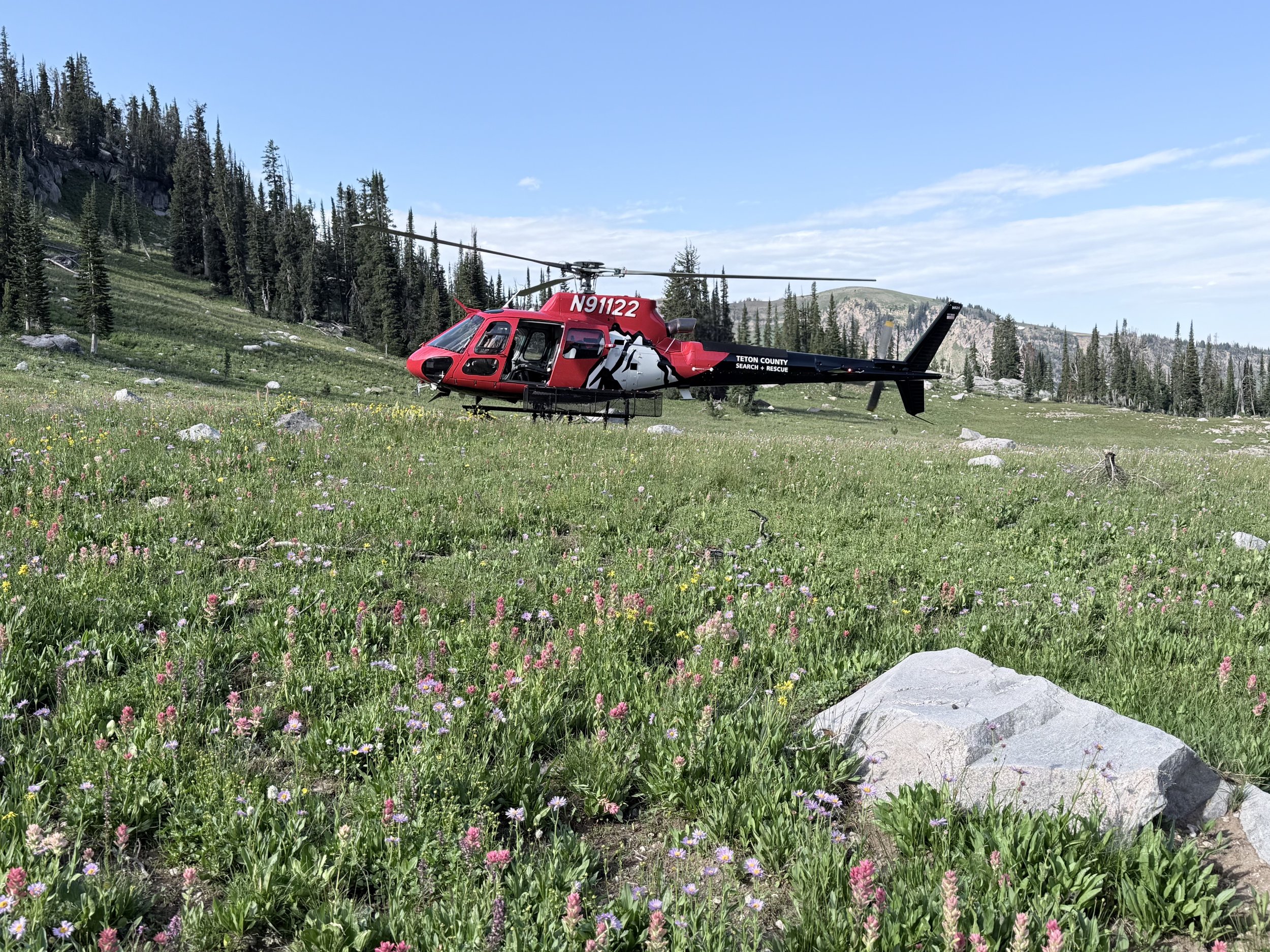
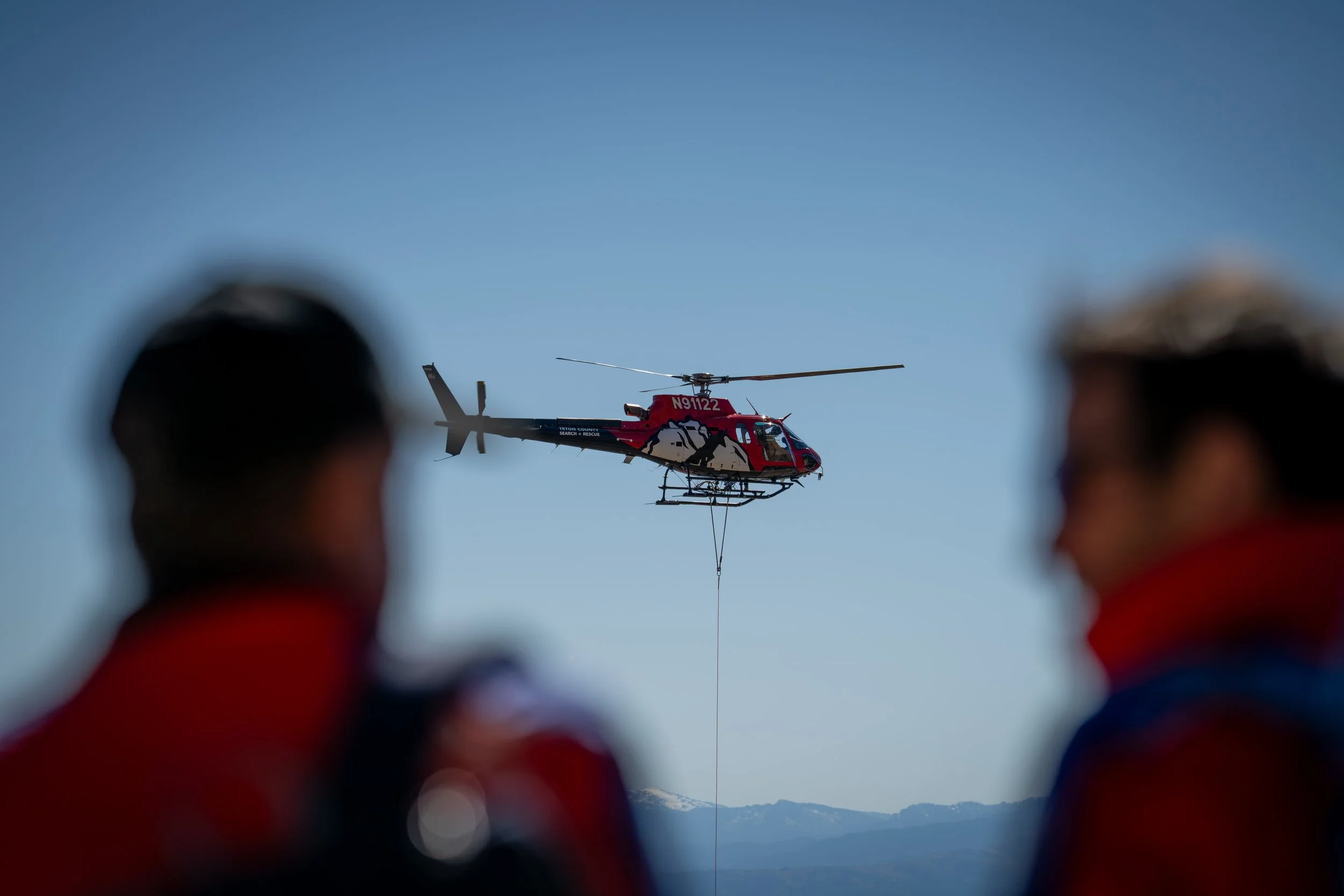
The TCSAR helicopter during the operation on July 29, 2026. Photo: Teton County Search & Rescue

The following information was provided by rescue officials from Yellowstone and Grand Teton national parks, which conducted the initial investigation:

The man had been attempting a thru-hike of the Continental Divide Trail, starting in Canada earlier this summer. He had been tracking his progress via a Garmin satellite device and giving regular updates to his family in Australia. His family described him as healthy with the ability to travel 25-30 miles a day. 

On July 19, the hiker posted an update from a location near Old Faithful in Yellowstone. He described his upcoming itinerary in the Tetons, Gros Ventre Wilderness, the Wind River Range, and Divide Basin. 

On July 23, the family received another Garmin check-in but it did not include coordinates or a message. During this same period, the family received a video via Facebook Messenger that they believe placed him in the Tetons. The family received no further communication, which they indicated was outside the man’s regular pattern.

On July 27, the family contacted officials from Yellowstone and Grand Teton. Park officials were able to determine that the Garmin tracking points on July 23 placed the hiker near the Wigwams inside Teton County. The parks then transferred the investigation and subsequent operations to Teton County Search & Rescue, which has jurisdiction for SAR operations outside of the two national parks. 

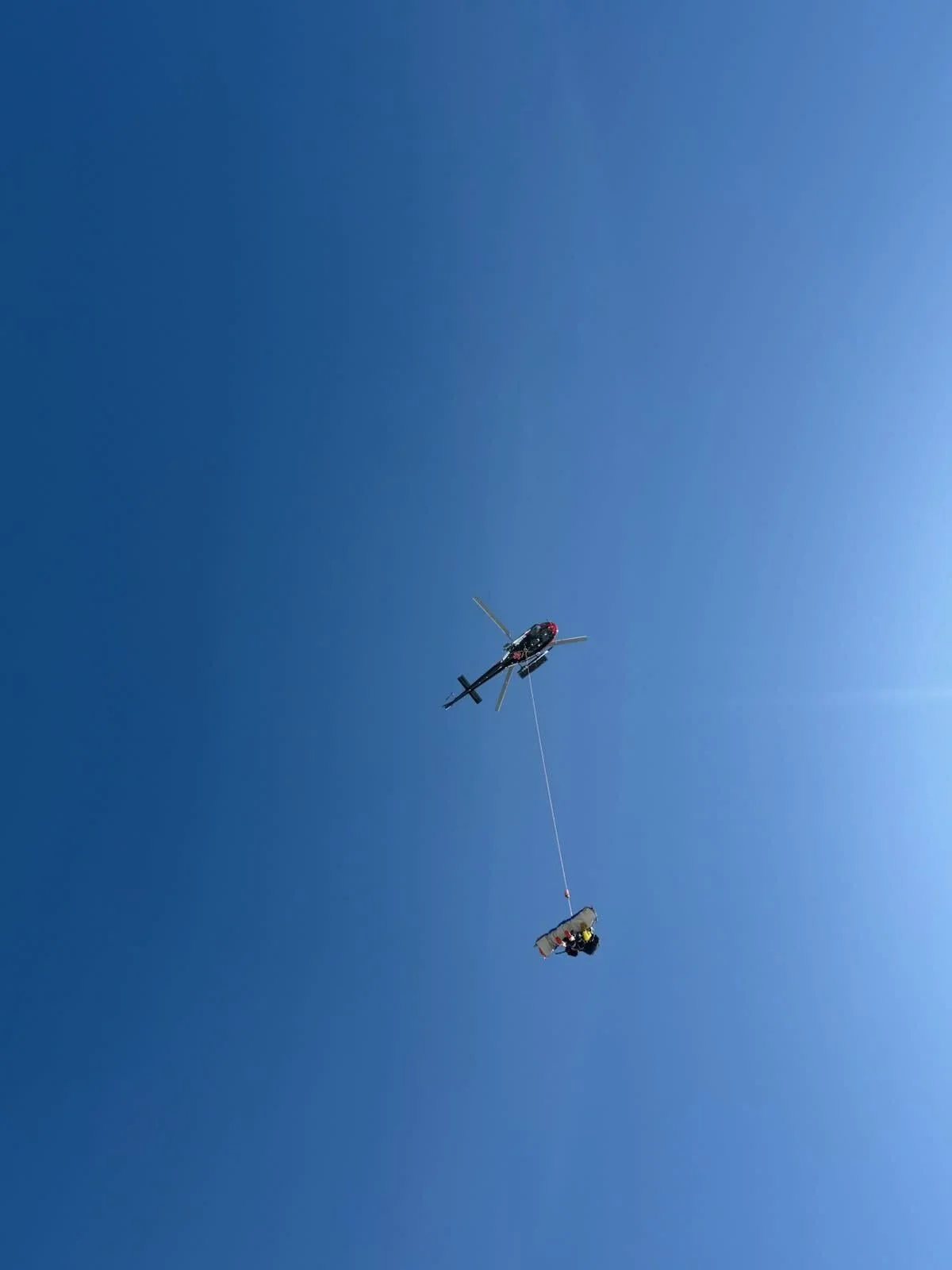
On the morning of July 29, TCSAR assembled a helicopter short-haul team and flew to the hiker’s last presumed point. From the air, the team spotted a bright orange backpack which they believed belonged to the missing hiker. They then found the subject below the ridge south of North Wigwam Peak and collected the body for heli transport back to TCSAR headquarters in Jackson. From there, the team transferred the subject to the Teton County Coroner’s Office.

TCSAR sends its sincere condolences to the family and friends of the deceased, and wishes to express its gratitude to the partnering federal agencies who assisted in the investigation.

TCSAR Picks Up Two Rescues On April 18-19

Jackson, Wyo. — Teton County Search & Rescue responded to two emergency calls over the weekend, showing again the range of skills our volunteers deploy during this seasonal transition.

At 2:45 p.m. on Saturday, April 18, a local male snowboarder suffered a severe leg injury while descending a line on the Great White Hump, located north of Teton Pass. It was the second time this month that a skier or snowboarder had been injured after getting caught in an avalanche in this same zone.

In response, TCSAR assembled a short-haul team in the helicopter. The team made contact with the patient about 54 minutes after the initial 911 call. Our team credits the patient’s group for providing interim care before the volunteers were on scene. That care included: Keeping the patient warm with extra clothes and a space blanket; securing the patient in a safe location; cutting out a flat platform to help the responding volunteers load/secure/treat/extract the patient during a heli operation.

TCSAR then short-hauled the patient to a waiting ambulance on Teton Pass, completing the mission in 2 hours, 36 minutes.

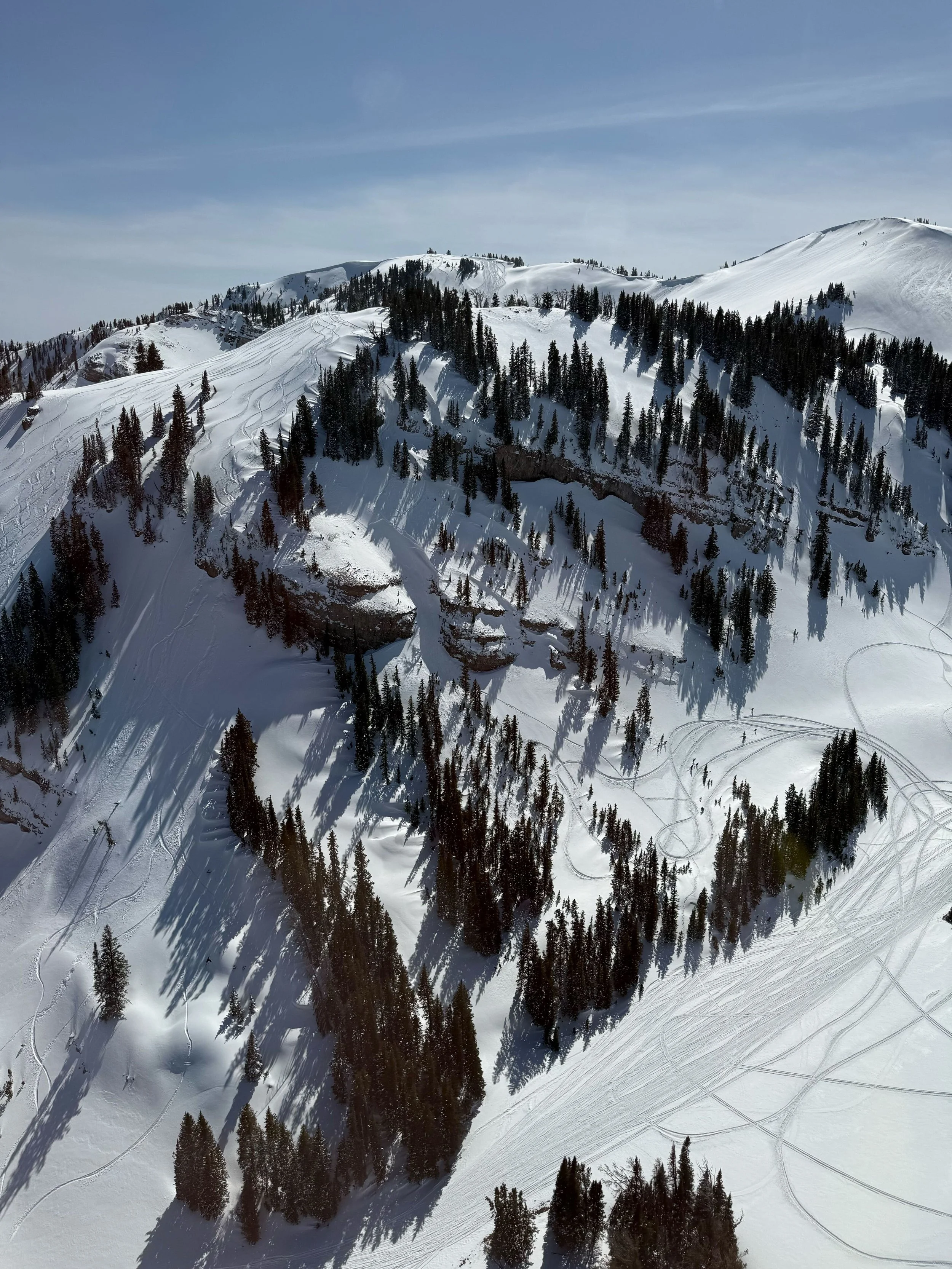
The Great White Hump has been the location of two short-haul rescues in April 2026, both involving avalanches. Photo: TCSAR

This incident is another reminder for skiers and snowboarders to be extra cautious during this transitional period in the Tetons, when snow conditions may change rapidly from hour to hour, day to day.

The second rescue call of the weekend came at 4:53 p.m. on Sunday, April 19. This incident concerned two hikers who had been attempting to walk from Cache Creek to the Game Creek Divide and then return via the Skyline trail.

After ascending the Game Creek Divide, the party called 911 to say they were too exhausted to continue. The hikers were advised to begin walking back to the Cache/Game junction where a team of volunteers would meet them.

Two TCSAR volunteers dispatched in a side-by-side vehicle up Cache. When they could not locate the party at the Cache/Game junction, the volunteers hiked about 1.5 miles up the trail, where they found the tired hikers. The volunteers gave them food and water and assisted them back down the trail to the vehicle. From there, the team transported them to their vehicle at the Cache Creek trailhead.

TCSAR Rescues Injured Hiker from Teton Canyon

On Thursday evening, September 4, a 28-year-old woman from Washington became injured while hiking down from Table Mountain. Along with her three companions, the injured party initially tried to hike out on her own, but she then sustained another injury in the process. Recognizing their need for rescue, the group put in a 911 call at 8:45 p.m.

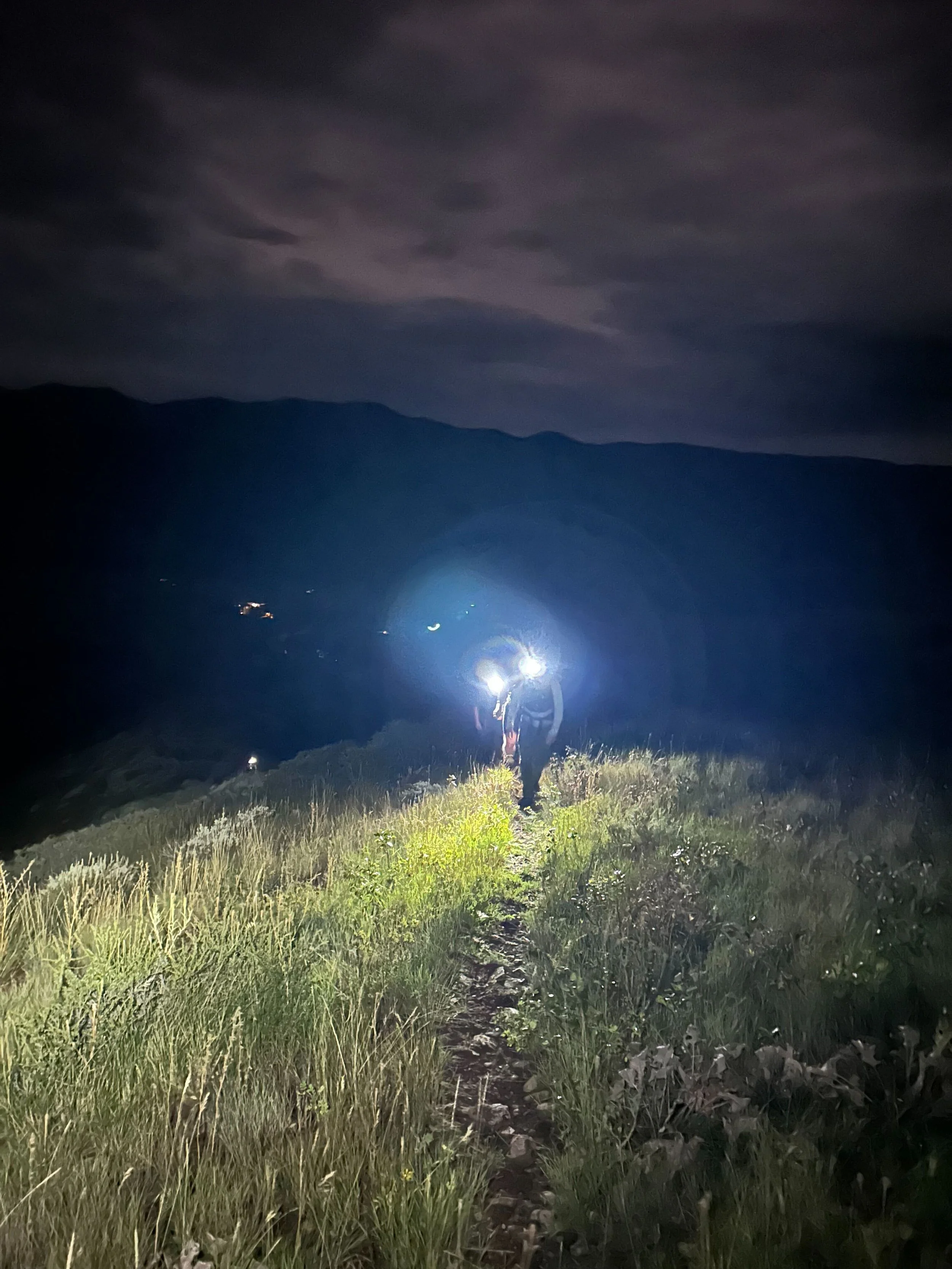
Teton County Search & Rescue members who live on the westside of the Tetons responded, while additional volunteers from Jackson came in as support from over Teton Pass. The westside team gathered the necessary gear from the Alta cache—a wheeled litter and medical equipment—and hiked about 2.5 miles up the North Teton trail in Teton Canyon. They reached the patient just after 11 p.m, with the support team arriving about 10 minutes later. 

The volunteers placed the patient in the wheeled litter and transported her down the rocky trail, arriving at the trailhead at 1:15 a.m. From there, the patient elected to self-transport to higher medical care.

All volunteers were reported out of the field, with equipment prepped for the next mission, at 2:30 a.m.